Appreciate the Job of a Landscaper in Designing and Upkeeping Dynamic Outdoor Areas
The purpose of a landscaper surpasses only visual appeal. They merge artistry with ecological principles to establish long-lasting green spaces. Using precise plant selection and deliberate planning, they boost practical use while fostering species variety. Yet, the effect of their work reaches far beyond private residences. Understanding the multifaceted responsibilities of landscapers uncovers serious effects for community well-being and environmental health. What factors truly drive their judgments in shaping these vital outdoor areas?
The Skill and Knowledge of Creating Landscapes
Many might consider landscape design as just a visual endeavor, it fundamentally intertwines design and ecology to develop harmonious outdoor spaces. A skilled landscape designer needs to grasp the core design concepts, like symmetry, size relation, and pattern, while also considering ecological factors. The integration of indigenous flora, soil types, and weather patterns is fundamental in creating enduring settings.
By employing artistic elements such as color, texture, and form, landscape designers fashion visually appealing spaces that connect with human emotions. Meanwhile, scientific knowledge guarantees that these designs are practical and sustainable, handling problems such as drainage, plant growth, and pest management.
With this blend of artistry and scientific understanding, landscapers transform common spaces into vibrant, functional environments that boost public welfare and foster a connection to nature. Ultimately, landscape design is a contemplative activity that fosters a stronger recognition for the surrounding world.
Key Abilities and Requirements of a Landscaper
To succeed within the field of landscaping, individuals need to have a wide range of abilities and credentials that combine professional know-how with practical experience. A firm grasp of horticulture is critical, enabling landscapers to select appropriate plant species and understand how they need to grow. Competence in using landscape design software holds growing significance, enabling designers to generate comprehensive layouts and visualizations for clients.
Furthermore, bodily endurance and agility are necessary, as landscaping frequently requires strenuous movement, trenching, and machine operation. Interpersonal abilities play a vital role, which permits them to collaborate with clients and team members effectively.
Formal education in horticulture or a relevant area can enhance a landscaper's trustworthiness, while certifications from recognized organizations may further validate their knowledge. In the end, a mix of these qualifications and credentials prepares landscapers to provide attractive and functional outdoor spaces, fulfilling the diverse needs of their customers.
Picking and Procuring Vegetation for Best Results
A landscaper's skill in picking and acquire vegetation is essential for developing successful exterior spaces. This process requires deep knowledge of botany, climate conditions, and soil types. By analyzing the particular environmental context, landscapers can identify species that will thrive in the given environment, ensuring ideal growth and hardiness.
Additionally, procuring flora from established suppliers or nearby cultivators is crucial. This provides assurance of the health and quality of the plants but also supports sustainable practices. Landscapers frequently look at indigenous species, which are suited to regional environments and require less maintenance, positioning them as a green option.
Moreover, the picking procedure needs to consider seasonal changes, ensuring that the landscape remains vibrant all twelve months. By deliberately picking a diverse range of plants, landscapers create visually appealing spaces as well as encouraging ecological variety and natural harmony, which fosters durable green spaces.
Creating Functional Outdoor Spaces: Arrangement and Planning
Developing practical exterior areas necessitates thoughtful planning of layout and design to maximize the usability of the space. A skilled landscaper mixes attractive qualities with practical functionality, enhancing the experience of the setting. Deliberate arrangement does more than optimize function but also harmonizes with the nearby setting.
Effective Space Utilization

Though many residents view their outdoor spaces as only additions of their interior environments, smart space management changes these spaces into functional and inviting settings. Landscapers serve a crucial function in evaluating the unique dimensions and attributes of the location, guaranteeing that each segment is maximized for use and pleasure. Careful planning and arrangement include features like pathways, rest areas, and plant beds that promote flow and engagement. Navarre Landscaper. By taking into account factors like sunlight, air currents, and existing structures, landscapers create integrated spaces that address the living requirements of the residents. This thoughtful approach doesn't just improve usability but also fosters a sense of unity between interior and exterior areas, rendering them essential components of a seamless domestic life
Balancing Aesthetics and Function
Achieving a harmonious visual and practical harmony in outdoor spaces demands close attention of both visual features and functional requirements. Designers need to assess the intended purpose of the space in addition to the design aesthetics. For example, designing a rest spot should integrate comfortable furniture while ensuring it goes well with nearby flora and routes. A well-planned arrangement allows for seamless movement, allowing for easy movement and ease of use. Incorporating features such as lighting, aquatic features, and a mix of plants enhances both visual appeal and functionality. Moreover, selecting resilient resources makes certain that outdoor spaces withstand various weather conditions, keeping them operational over time. Ultimately, a well-executed landscape plan combines aesthetic pleasure with functional sense, creating settings that encourage relaxation and satisfy the demands of users.
The Importance of Environmental Sustainability in Landscaping
Ecological responsibility in landscaping is essential for protecting nature and fostering species variety. By focusing on sustainable flora choices and implementing effective irrigation methods, landscapers can establish landscapes that are visually appealing and ecologically sound. This approach boosts the visual quality but also aids in the sustained vitality of the local ecology.
Selecting Environmentally Sound Flora
In what ways can designers help to a more robust environment through their selection of flora? Through the use of local and drought-resistant plants, landscapers are crucial players in supporting green practices. Navarre Landscaper. Native plants require reduced irrigation and upkeep, aiding regional fauna and lessening the use of synthetic nutrients and pesticides. They establish deeper root systems, boosting the vitality of the earth and curbing soil loss. Furthermore, employing a diverse range of plant species fosters biodiversity, which is imperative for ecosystem resilience. Landscapers can additionally implement organic practices, including composting and mulching, to further minimize environmental impact. Through thoughtful plant selection, they not only create vibrant outdoor spaces but also help ensure the preservation of local ecosystems and the overall health of the environment
Methods for Conserving Water
Landscapers can significantly improve sustainability in outdoor environments by implementing effective water conservation techniques. One frequently used approach is the use of xeriscaping, which involves selecting drought-resistant plants that demand minimal irrigation. Additionally, landscapers may install efficient irrigation systems, like drip irrigation, which sends water directly to the plant roots, cutting down on waste. Rainwater harvesting relevant resource systems may also be included, making possible the collection and storage of rainwater for landscape use. Mulching helps retain soil moisture and reduces evaporation, which helps with water conservation. Furthermore, landscapers are able to teach clients about appropriate watering schedules to guarantee efficient use of water resources. By employing these techniques, landscapers are crucial in promoting environmental sustainability while keeping up vibrant outdoor spaces.
Maintenance Strategies for Successful Outdoor Areas
While many may view maintenance as a routine chore, it is crucial for cultivating vibrant outdoor environments. Proper maintenance routines guarantee that landscapes remain healthy and aesthetically pleasing throughout the seasons. Regular tasks feature mowing, pruning, and weeding, which encourage growth and stop the spread of pests and diseases.
Irrigation systems need to be watched and adjusted to guarantee that plants receive adequate water without wasted water. Mulching not only retains moisture but also suppresses weeds, leading to a cleaner appearance. Fertilization, when used carefully, supplies essential nourishment that bolster plant health.
Additionally, addressing drainage issues is imperative to prevent waterlogging, which could ruin root systems. Seasonal assessments let landscapers identify and address potential problems before they worsen. Through these thorough maintenance practices, landscapes are able to flourish, fostering environments that are both practical and visually appealing.
The Financial and Communal Benefits of Landscaped Spaces
While frequently ignored, landscaped spaces play a significant role in improving profitability and societal welfare within communities. Well-designed outdoor environments attract businesses and increase property values, because future owners frequently favor visual appeal and outdoor environments. Moreover, landscaped areas contribute to local economies through supplying sites for functions and enjoyable pastimes, fostering tourism and community engagement.
Regarding community life, these environments support emotional balance and physical condition, providing inhabitants spots to unwind, work out, and engage with the natural world. Parks and gardens serve as communal hubs, bolstering social connections and fostering neighborhood engagement. Furthermore, neatly kept outdoor spaces mitigate urban warmth, better the purity of the air, and increase biological variety, creating healthier living conditions.
Fundamentally, designed environments don't just improve the look of communities but also provide significant financial advantages and foster a sense of belonging, rendering them vital parts of successful neighborhoods.
FAQs
What Gear Do Gardeners Utilize Routinely?
Gardeners frequently utilize instruments including digging tools, leveling tools, cutters, mowers, and weeding tools. In addition, they often employ wheelbarrows, hedge trimmers, and edgers to efficiently sculpt and care for green areas according to design specifications and client preferences.
How Do Landscape Professionals Deal with Infestations in Green Areas?
Landscapers manage pest control using integrated approaches, including identifying pest species, applying organic or chemical treatments, encouraging helpful bugs, and executing protective actions like correct planting and area maintenance to ensure green environments remain robust.
What Difficulties Do Landscape Professionals Encounter on the Job?
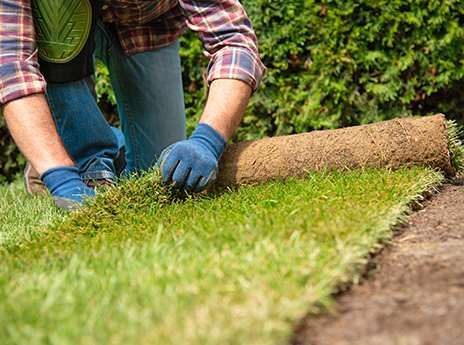
Landscape professionals frequently face issues including unpredictable weather, budget constraints, soil quality issues, pest infestations, and client expectations. These factors can complicate project timelines and impact the final outcome of the greening effort.
How Do Seasons Affect Landscaping Projects and Maintenance?
The time of year significantly affects landscape work and upkeep, because warmth, moisture levels, and sun exposure dictate plant vitality, earth quality, and pest behavior. Gardeners are required to modify their plans as needed to guarantee successful outcomes throughout the year.
What is the usual timeframe for finishing a landscaping job?
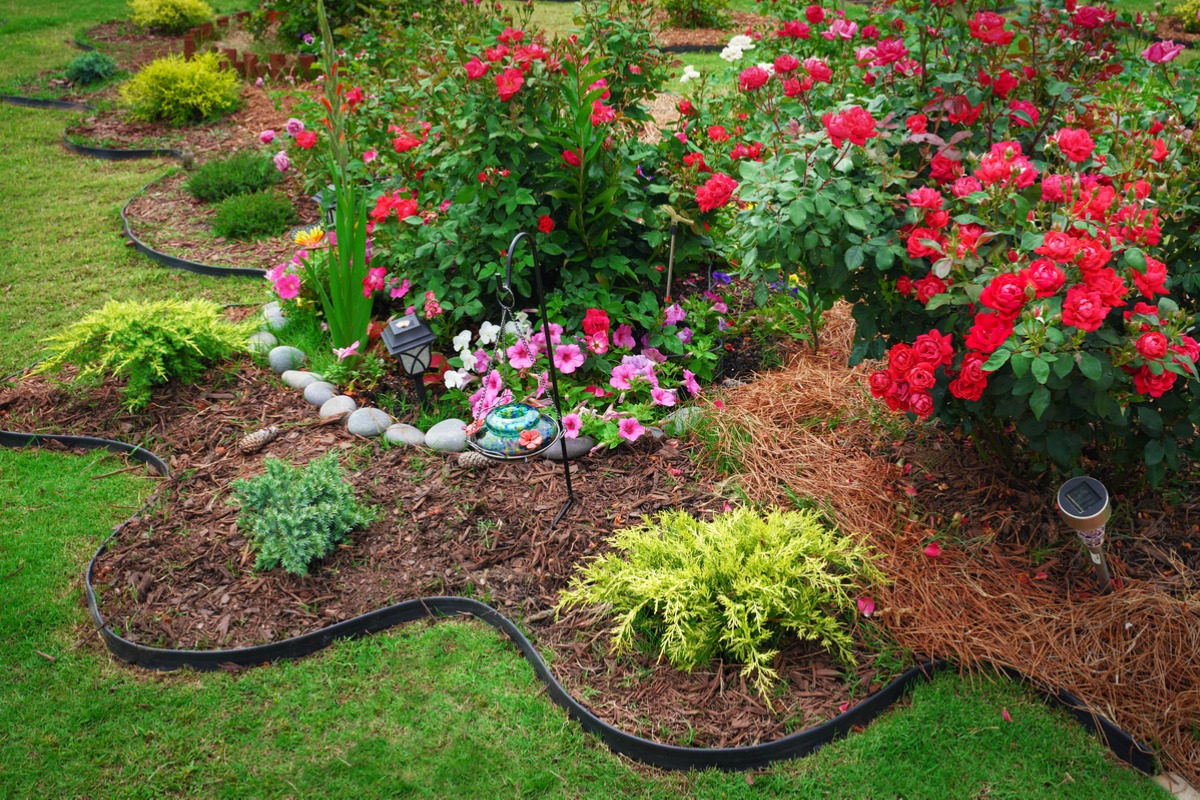
A common landscaping project timeframe can take anywhere from a short period to multiple months. Factors influencing the timeline involve project scope, weather conditions, and time of year, making necessary careful planning and coordination for successful completion.